
Nigeria’s coastal communities depend on healthy waterways for drinking water, fishing, food supplies, transportation, and livelihoods. Yet crude oil pollution continues to threaten these essential resources, particularly in parts of the Niger Delta where oil production, spills, and related industrial activities have affected land and water.
Beyond the visible damage to rivers, mangroves, and shorelines, the hidden health risks of crude oil pollution can persist long after an oil spill disappears from the surface. Contaminants may remain in soil and groundwater, while polluted air and disrupted livelihoods create additional concerns for residents.
Understanding these risks is essential to protecting public health, strengthening environmental accountability, and safeguarding Nigeria’s marine environment.
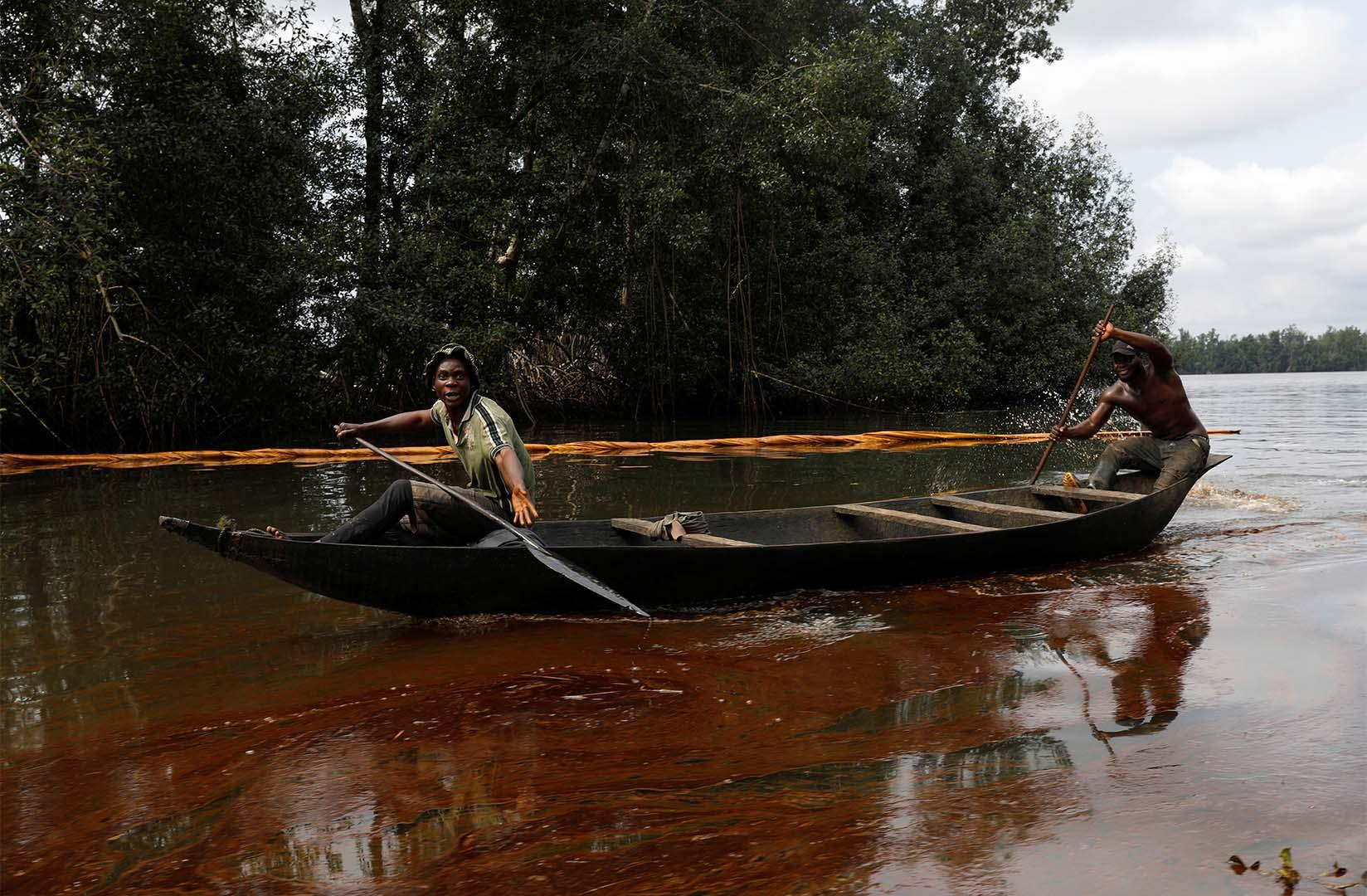
1. Contaminated Drinking Water and Groundwater
One of the most serious risks associated with crude oil pollution is the contamination of drinking water sources. Oil spills can introduce petroleum hydrocarbons into rivers, creeks, soil, and groundwater, depending on local conditions and the nature of the release.
The United Nations Environment Programme (UNEP), in its Environmental Assessment of Ogoniland, documented extensive contamination across the region. Its investigation found that drinking water in at least 10 Ogoni communities contained high levels of hydrocarbons. In Nisisioken Ogale, benzene concentrations in well water were reported at more than 900 times the World Health Organization’s guideline.
Benzene is a recognised human carcinogen. Long-term exposure can increase the risk of certain cancers, including leukaemia.
These findings highlight why communities should not assume that well water or nearby streams are safe simply because the water looks clear. Water quality testing and access to safe drinking water are essential where contamination is suspected.
2. Respiratory Problems and Air Pollution
Crude oil pollution can affect air quality through the release of volatile chemicals, emissions from petroleum operations, oil fires, and the burning of materials during informal refining activities.
Depending on the pollutants and exposure levels, inhalation may cause eye, nose, and throat irritation, headaches, coughing, breathing difficulties, or other adverse health effects. Smoke from burning crude oil and related materials may contain fine particles and hazardous compounds.
Children, older adults, people with existing respiratory conditions, and workers frequently exposed to polluted air may be particularly vulnerable.
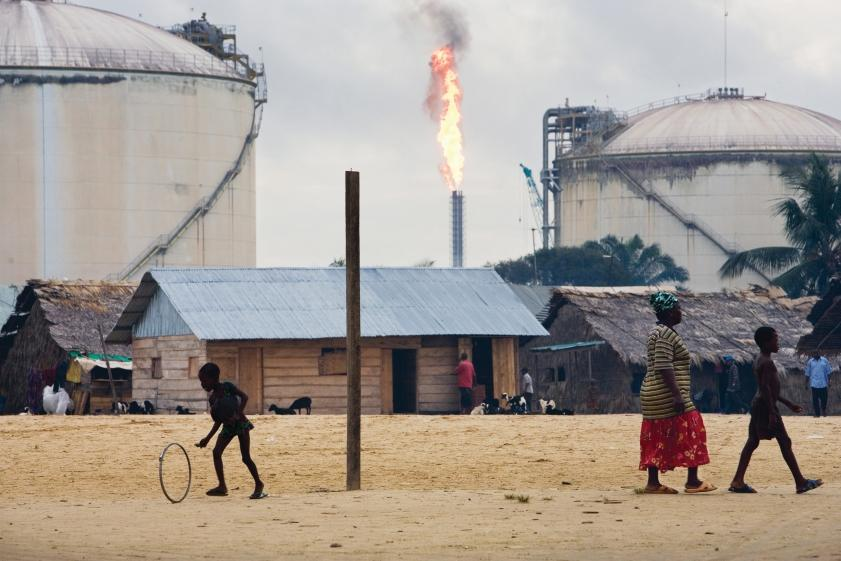
Reducing these risks requires better pollution controls, environmental monitoring, safer industrial practices, and timely public health information. Communities experiencing unusual smoke, strong chemical odours, or breathing difficulties should report concerns to relevant authorities and seek medical assessment when necessary.
3. Skin Irritation and Direct Contact With Contaminated Environments
People living near polluted creeks and shorelines may come into direct contact with contaminated water, soil, sediments, or oil-coated surfaces while fishing, washing, farming, or carrying out other daily activities.
Depending on the substances present and the duration of contact, petroleum products can cause skin irritation, redness, or dermatitis. Some chemicals may also be absorbed through the skin.
Children playing along contaminated shorelines and workers handling oil without adequate protective equipment may face additional exposure risks.
Communities should avoid direct contact with visible oil contamination, while cleanup activities should be conducted by trained personnel using appropriate protective equipment and established safety procedures.
4. Food Security and Livelihood Disruption
The health consequences of oil pollution extend beyond direct chemical exposure. Contamination can damage fish habitats, affect mangrove ecosystems, disrupt fishing activities, and reduce the income of households that depend on aquatic resources.
When catches decline or fishing grounds become unusable, families may struggle to afford nutritious food and other essential needs. Economic stress can also make it harder to access healthcare and safe water.
However, the presence of an oil spill does not automatically mean every fish or seafood product is contaminated. Risks should be assessed through appropriate environmental and food-safety testing, rather than assumptions based on appearance alone.
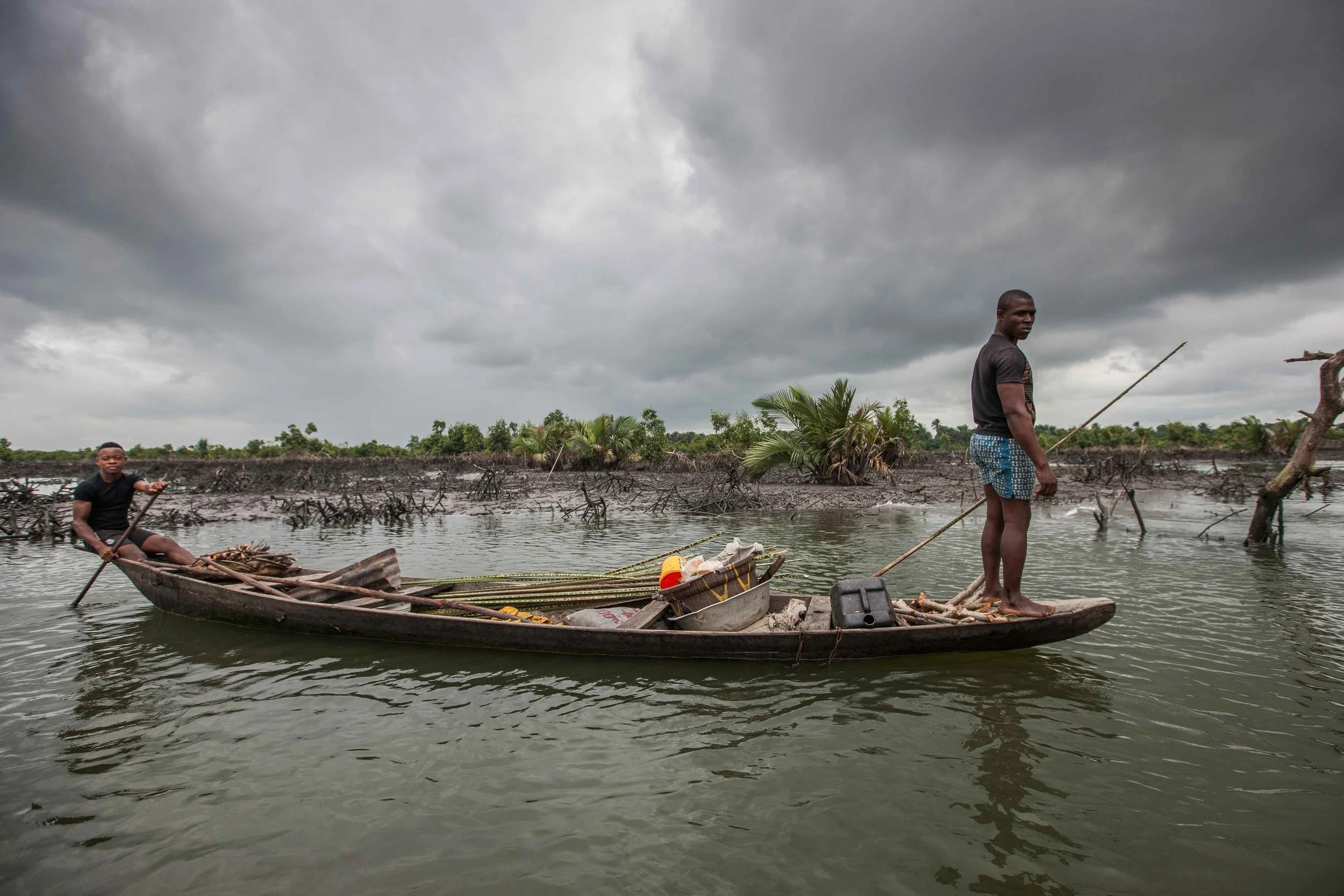
Protecting fisheries and coastal livelihoods therefore requires pollution prevention, habitat restoration, transparent monitoring, and support for communities affected by oil-related environmental damage.
5. Long-Term Health Monitoring and Environmental Restoration
Oil contamination can remain in groundwater, soil, and sediments long after a spill occurs. This makes long-term monitoring important, particularly in communities with documented contamination or repeated exposure.
UNEP’s Ogoniland assessment recommended coordinated remediation, improved environmental monitoring, stronger regulation, and collaboration between government, industry, and affected communities.
Effective action should include:
-
Regular testing of drinking water and potentially contaminated sites.
-
Accessible healthcare and appropriate health surveillance for affected populations.
-
Transparent publication of environmental monitoring results.
-
Prompt containment of new spills and remediation of contaminated areas.
-
Community participation in decisions about cleanup priorities and recovery.
For further background, consult the UNEP findings on oil contamination and threats to human health in Ogoniland.
How Can Nigeria Protect Its Coastal Communities?
Addressing crude oil pollution requires more than responding after a spill. Oil and gas operators must strengthen preventive maintenance and spill preparedness, while government agencies must enforce environmental standards and ensure credible investigations.
Communities should have access to reliable information, safe water, appropriate medical services, and channels for reporting suspected pollution. Environmental organisations can contribute through public education, advocacy, research, and partnerships.
NIMEPA supports efforts to reduce marine pollution and promote responsible environmental stewardship. Through community awareness campaigns and broader marine protection initiatives, environmental awareness can help communities understand pollution risks and participate in practical solutions.
Nigeria’s coastal ecosystems are vital to public health, biodiversity, and economic development. Protecting them means recognising that the consequences of crude oil pollution extend far beyond damaged shorelines.
Clean water, safe air, healthy marine ecosystems, and informed communities must remain central to Nigeria’s environmental protection efforts.
