
Undersea cables play a vital role in modern communication, connecting countries and supporting internet services, financial transactions, and international trade. In Nigeria, submarine telecommunications cables help strengthen digital connectivity and economic development.
However, these underwater infrastructure systems raise an important environmental question: Are submarine cables safe for marine life, and what risks do they pose to Nigeria’s coastal ecosystems?
Understanding their potential impacts is essential to balancing technological progress with marine environmental protection.
What Are Undersea Cables?
Undersea cables are specialised cables installed on or beneath the seabed to transmit telecommunications data or electricity. Fibre-optic cables carry digital information between countries, while submarine power cables transmit electrical energy.
Nigeria benefits from international cable systems, including the Equiano submarine cable, which connects to Lagos and supports high-capacity internet connectivity.
Although these systems are important for economic growth, responsible installation and environmental monitoring are necessary to minimise disturbance to marine ecosystems.
Learn more about NIMEPA’s marine environmental protection initiatives and its commitment to safeguarding Nigeria’s oceans.
How Do Undersea Cables Affect Marine Life?
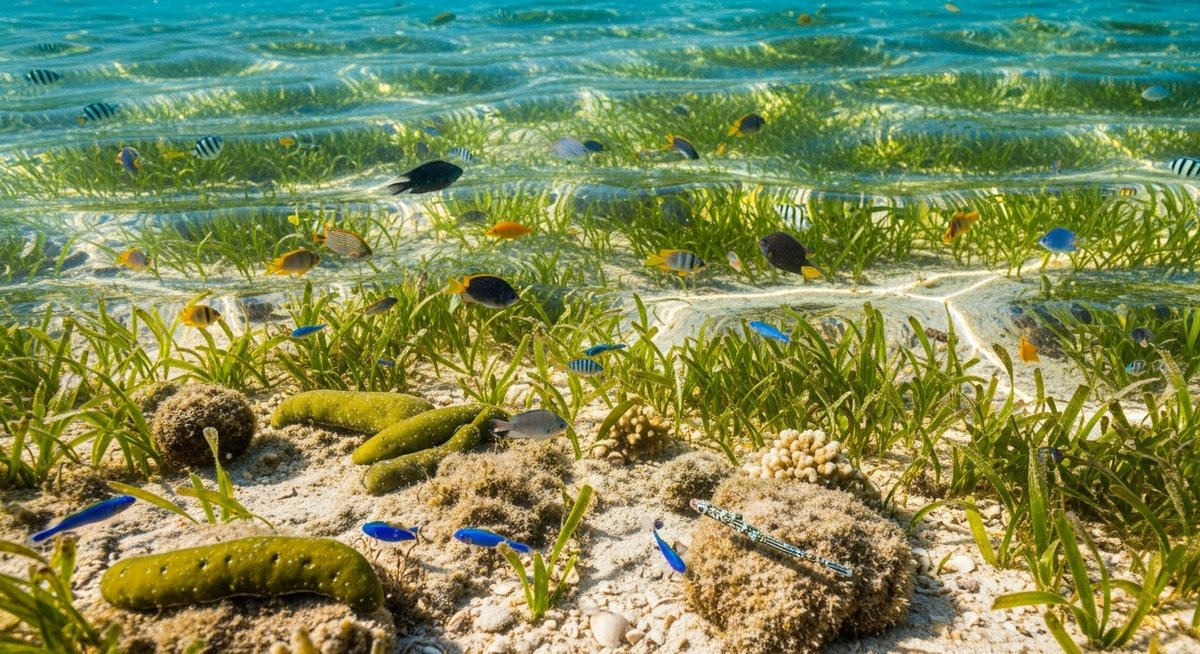
The environmental effects of submarine cables depend on their location, installation method, surrounding habitats, and maintenance requirements. Research suggests that telecommunications cables generally have a relatively small environmental footprint, but several potential impacts deserve attention.
1. Seabed Disturbance
Installing cables may involve trenching, ploughing, or other seabed preparation activities. These operations can disturb sediments and organisms living on or within the seabed.
In sensitive coastal areas, poorly selected routes could affect habitats used by fish, shellfish, and other marine species. Sediment disturbance may also temporarily increase water turbidity.
2. Threats to Marine Biodiversity
Cable installation vessels and construction activities may temporarily disturb marine organisms. Routes passing through sensitive habitats could also cause localised damage to ecologically important areas.
Potential impacts depend on the species present and the environmental sensitivity of the location. Careful route selection can reduce these risks.
3. Pollution Risks
Installation and maintenance vessels may create pollution risks through accidental fuel spills, improper waste disposal, or equipment-related incidents.
These concerns are relevant to Nigeria, where coastal ecosystems already face pressures from oil pollution, plastic waste, and industrial discharge.
Read NIMEPA’s article on Oil Spills, Maritime Pollution, and Environmental Security Challenges to understand the wider challenges facing marine environments.
Are Undersea Cables Safe for Marine Life?
A report by the United Nations Environment Programme World Conservation Monitoring Centre (UNEP-WCMC), developed with the International Cable Protection Committee, examines submarine cables and marine biodiversity. It identifies seabed disturbance during installation as a key environmental consideration and explains that impacts vary throughout a cable’s lifecycle.
Telecommunications cables should also be distinguished from submarine power cables, which may produce heat and electromagnetic fields. Their ecological effects depend on cable design, operating conditions, and the species concerned.
Explore the UNEP-WCMC report on submarine cables and marine biodiversity for further information.
How Can Nigeria Reduce Environmental Risks?
-
Conduct environmental impact assessments: Evaluate seabed conditions, sensitive habitats, fisheries, and pollution risks before approving projects.
-
Choose responsible cable routes: Avoid sensitive habitats wherever practicable and consider existing fishing activities.
-
Prevent pollution: Apply strict vessel waste management, spill prevention, and construction controls.
-
Monitor marine conditions: Assess water quality, sediment disturbance, and habitat recovery where appropriate.
-
Engage stakeholders: Encourage collaboration among regulators, cable operators, researchers, fishing communities, and environmental organisations.
For project-specific information, consult the Equiano Submarine Cable Environmental Impact Assessment.
These measures complement NIMEPA’s commitment to pollution reduction and marine environmental protection.
Conclusion: Protecting the Ocean Beneath Our Digital World
Submarine cables are essential to Nigeria’s digital economy, but their development must go hand in hand with environmental responsibility.
Available research indicates that properly installed telecommunications cables generally have limited environmental impacts, although installation can disturb seabed habitats. Local environmental assessments remain important for identifying and managing project-specific risks.
Protecting Nigeria’s marine ecosystems requires innovation, responsible infrastructure development, and collaboration. NIMEPA encourages government institutions, infrastructure developers, maritime operators, and coastal communities to make marine protection a priority in sustainable development.
