
Nigeria’s coastline offers significant opportunities for tourism, recreation, cultural experiences, and economic development. From beaches and lagoons to mangrove forests and coastal communities, these environments attract visitors while supporting fishing, transportation, and local livelihoods.
However, poorly managed tourism can contribute to plastic pollution, habitat destruction, water contamination, and pressure on marine wildlife. Sustainable coastal and marine tourism management helps balance tourism development with environmental protection, ensuring that coastal resources remain valuable for future generations.
What Is Sustainable Coastal and Marine Tourism Management?
Sustainable coastal and marine tourism management involves planning and operating tourism activities in ways that minimize environmental damage, respect local cultures, and generate lasting economic benefits for host communities.
It includes responsible beach management, marine wildlife protection, waste reduction, environmental education, and conservation of coastal ecosystems.
The United Nations recognises sustainable tourism as an approach that considers its economic, social, and environmental impacts. Read the United Nations’ overview of Sustainable Tourism.
Why Sustainable Marine Tourism Matters in Nigeria
Nigeria’s coastal environments are important natural assets, but pollution, erosion, habitat degradation, and unsustainable resource use can threaten their long-term health.
Responsible tourism management can deliver several benefits:
-
Marine biodiversity conservation: Protecting mangroves, coastal vegetation, marine wildlife, and sensitive habitats.
-
Pollution prevention: Reducing plastic litter, food waste, and wastewater contamination.
-
Local economic development: Creating opportunities for tour guides, hospitality businesses, artisans, and community-based tourism operators.
-
Environmental awareness: Helping visitors understand the importance of protecting oceans, beaches, and waterways.
-
Climate resilience: Conserving coastal ecosystems that contribute to shoreline stability and climate adaptation.
These benefits demonstrate why healthy marine environments should be treated as essential tourism assets.
Five Strategies for Sustainable Coastal and Marine Tourism Management
1. Improve Coastal Waste Management
Tourism destinations need accessible waste collection points, reliable disposal systems, and appropriate sanitation facilities. Hotels, restaurants, beach operators, event organisers, and visitors should reduce single-use plastics and prevent waste from entering drains, lagoons, rivers, and the ocean.
Regular beach cleanups can complement these measures, but preventing pollution at its source is essential for lasting results.
Explore NIMEPA’s Conservation and Restoration Initiatives
2. Protect Sensitive Coastal Ecosystems

Mangroves, wetlands, and other coastal habitats provide important ecological benefits, including wildlife habitat, carbon storage, and protection against some coastal hazards.
Tourism infrastructure should be carefully planned to avoid unnecessary damage to these environments. Activities near sensitive habitats should follow appropriate environmental assessments, applicable regulations, and conservation guidelines.
Tour operators should also discourage disturbance of marine wildlife and damage to protected natural areas.
3. Empower Coastal Communities
Local communities should participate in tourism planning, decision-making, and benefit-sharing. Community-led tours, cultural experiences, local craft markets, and responsible hospitality businesses can create livelihood opportunities while encouraging residents to protect their natural surroundings.
Tourism operators should respect local traditions, consult community representatives, and support fair employment practices.
Sustainable tourism is more effective when people who depend on coastal resources have a meaningful role in protecting them.
4. Promote Responsible Tourism Practices
Visitors and tourism businesses can make practical choices that reduce environmental pressure. These include avoiding littering, using reusable water bottles, conserving water, respecting wildlife, and choosing responsible tour operators.
Tourism businesses can also train staff in pollution prevention, responsible resource use, and environmental emergency procedures.
5. Strengthen Partnerships and Environmental Monitoring
Effective tourism management requires cooperation among government agencies, tourism businesses, environmental organisations, researchers, local communities, and visitors.
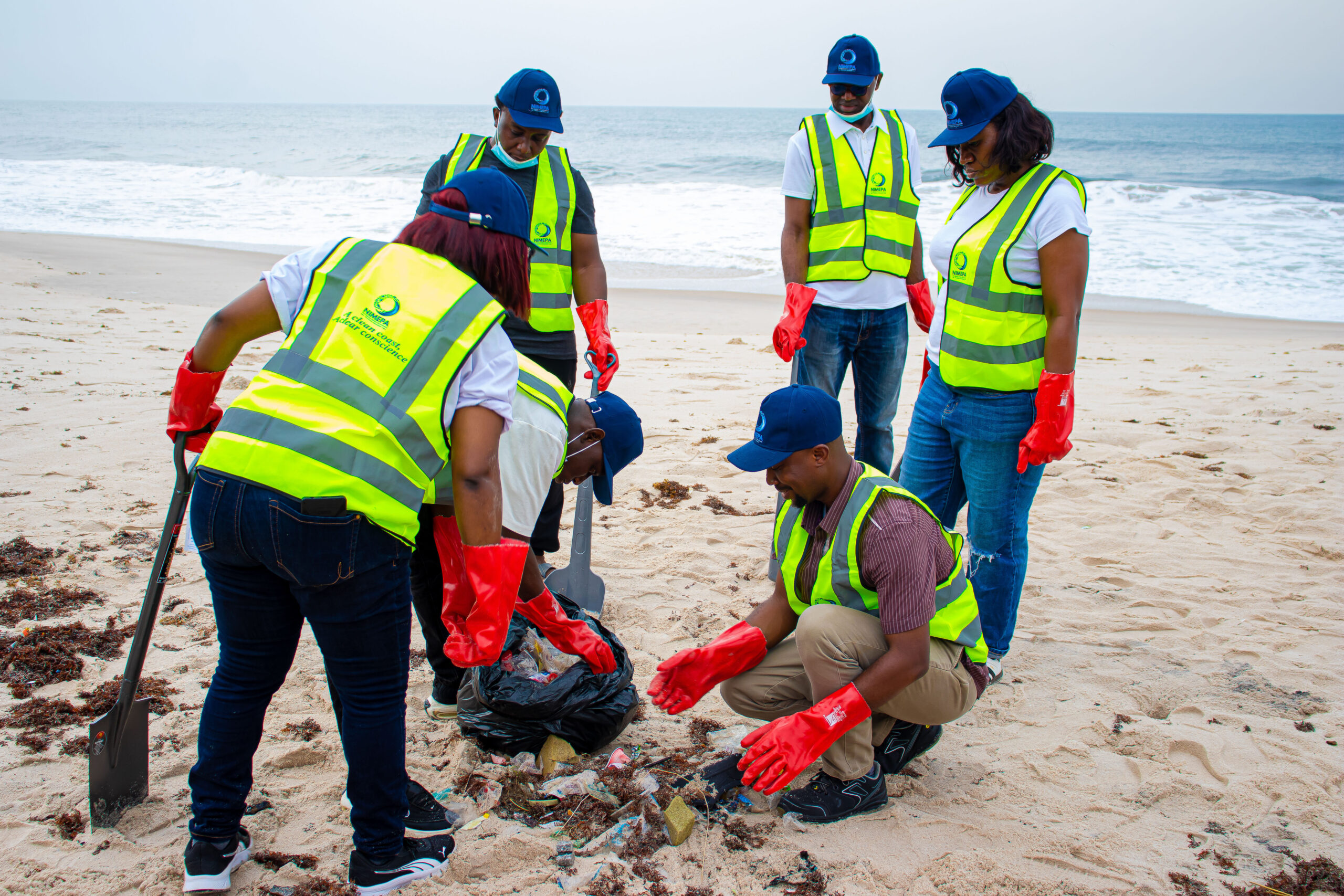
Stakeholders can collaborate on beach cleanups, public awareness programmes, habitat restoration, waste management, and environmental monitoring. Regular assessments of waste generation, water quality, habitat conditions, and visitor impacts can help identify problems and guide improvements.
Explore UNEP’s work on Oceans, Seas and Coasts for further information on protecting marine and coastal environments.
The Role of NIMEPA in Sustainable Marine Tourism
The Nigerian Marine Environment Protection Association (NIMEPA) promotes marine conservation, environmental advocacy, research, collaboration, and sustainable practices to protect Nigeria’s oceans and waterways.
Through partnerships, education, and public engagement, NIMEPA can help strengthen awareness of the relationship between healthy coastal ecosystems and sustainable economic activities, including tourism.
Explore NIMEPA’s Sustainable Fisheries and Blue Economy initiative to learn how sustainable resource management supports coastal livelihoods.
Conclusion: Protecting Nigeria’s Coastline for Future Generations
Sustainable coastal and marine tourism management is essential for preserving Nigeria’s natural heritage while creating economic opportunities for coastal communities. Cleaner beaches, protected habitats, responsible tourism businesses, and stronger community participation can help ensure that tourism contributes positively to marine conservation.
Governments, businesses, communities, and visitors all have a role to play. By working together, Nigeria can develop tourism practices that support livelihoods, protect biodiversity, and strengthen its sustainable Blue Economy.
Protecting our coastlines today means preserving their beauty, biodiversity, and economic value for generations to come.
