
Nigeria’s natural resources have long shaped its economic development, with crude oil earning the nickname “black gold” because of its immense financial value. However, the country’s oceans, rivers, coastal wetlands and marine ecosystems also offer significant opportunities for economic growth, employment and sustainable development.
The growing conversation around the Blue Economy vs Black Gold raises an important question: can Nigeria build a prosperous future by maximizing its marine resources while reducing environmental damage and dependence on oil?
The answer lies not necessarily in abandoning petroleum overnight, but in diversifying the economy and protecting the natural systems that support long-term prosperity.
What Is Black Gold, and Why Does It Matter to Nigeria?
Black gold refers to crude oil, a resource that has played a major role in Nigeria’s export earnings, government revenue and energy sector. The petroleum industry supports jobs and related businesses, but its environmental footprint can be substantial when extraction, transportation and waste management are poorly controlled.
Oil spills, gas flaring, contaminated waterways and habitat destruction can threaten fisheries, agricultural livelihoods and biodiversity, particularly in oil-producing areas of the Niger Delta. These impacts can place additional pressure on communities that depend on clean water and healthy ecosystems.
Petroleum remains economically important, but relying heavily on one resource exposes a country to international price fluctuations, changing energy markets and the long-term costs of environmental degradation.
Nigeria therefore needs complementary sources of economic growth that can generate employment, support communities and strengthen resilience.
Understanding the Blue Economy
The Blue Economy focuses on using ocean, coastal and aquatic resources sustainably to create economic value while protecting ecosystem health. According to the United Nations Environment Programme (UNEP), a sustainable blue economy integrates economic and social benefits with the protection and restoration of aquatic ecosystems.

For Nigeria, the opportunities extend well beyond fishing. They include:
- Sustainable fisheries and aquaculture: Improving fish production, supporting local businesses and strengthening food security.
- Maritime transport and port services: Developing efficient shipping, logistics and port operations while reducing pollution.
- Marine and coastal tourism: Creating livelihoods through responsible tourism, recreation and conservation activities.
- Marine renewable energy: Exploring suitable offshore renewable energy opportunities where environmental and technical conditions permit.
- Marine research and innovation: Developing new skills, technologies and businesses in marine science, environmental monitoring and waste management.
These industries can create diverse income opportunities, particularly for coastal communities, young people and small businesses.
Blue Economy vs Black Gold: What Is the Difference?
Although both can contribute to national development, the two approaches differ in their resource base, economic opportunities and environmental implications.
| Factor | Black Gold | Blue Economy |
|---|---|---|
| Main resource | Crude oil and petroleum | Oceans, rivers, fisheries and coastal ecosystems |
| Economic activities | Oil extraction, refining and distribution | Fisheries, shipping, tourism, aquaculture and other aquatic industries |
| Environmental risks | Oil spills, emissions and ecosystem contamination | Overfishing, marine litter and habitat damage if poorly managed |
| Diversification potential | Concentrated around petroleum and related industries | Spans multiple sectors and value chains |
| Long-term priority | Responsible production and pollution control | Sustainable resource use, ecosystem protection and inclusive growth |
The distinction is not that every blue economy activity is automatically environmentally friendly. Unsustainable fishing, poorly managed tourism and polluting shipping operations can also damage marine ecosystems. Sustainability depends on effective regulation, responsible investment and environmental accountability.
Can Nigeria Grow Its Blue Economy Without Abandoning Oil?
Yes. Nigeria can pursue a practical transition in which petroleum revenues and existing industrial capabilities help support economic diversification, environmental restoration and investment in sustainable marine industries.
This requires coordinated action from government institutions, private companies, research organisations and local communities.
First, stronger environmental monitoring and enforcement are needed to prevent and respond to oil pollution. Companies should maintain effective spill prevention systems, comply with applicable regulations and take responsibility for environmental damage.
Second, investment in fisheries, aquaculture, maritime infrastructure and coastal tourism can expand opportunities beyond petroleum. Training, affordable finance and access to markets are particularly important for local entrepreneurs and small-scale operators.
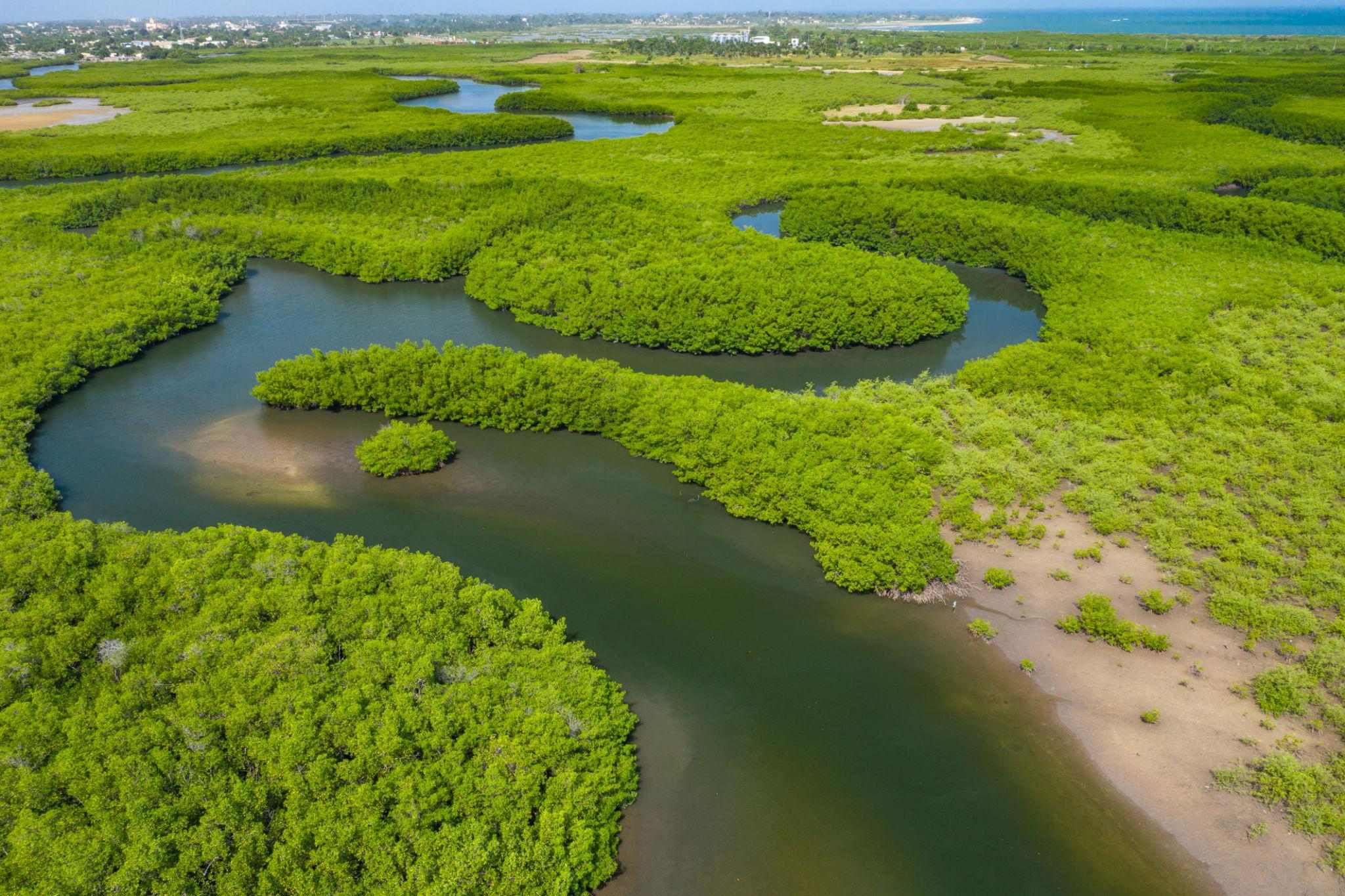
Third, marine conservation must be integrated into economic planning. Mangroves, wetlands and other coastal habitats support biodiversity, fisheries and shoreline resilience. Protecting them is an investment in the natural capital that underpins future economic activity.
Nigeria’s Federal Ministry of Marine and Blue Economy provides an important institutional starting point for understanding the country’s marine development priorities. Broader guidance is also available in the World Bank’s PROBLUE programme, which supports sustainable development of marine and coastal resources.
The Role of NIMEPA in Protecting Nigeria’s Marine Future
The Nigerian Marine Environment Protection Association (NIMEPA) recognises that economic development and environmental protection must work together. A thriving blue economy depends on clean waterways, healthy marine habitats, responsible business practices and communities equipped to protect their surroundings.
Through marine environmental awareness, conservation advocacy, research and collaboration, stakeholders can help promote better waste management, responsible coastal activities and stronger public participation in ocean protection.
Businesses can contribute by adopting pollution-prevention measures, supporting coastal cleanups and investing in environmentally responsible operations. Schools, community groups and civil society organisations can also help build a culture of marine stewardship.
Learn more about NIMEPA’s education and awareness campaigns and collaboration and partnership initiatives.
Conclusion: Building Prosperity Beyond Black Gold
The Blue Economy vs Black Gold debate is ultimately about Nigeria’s long-term economic resilience. Oil has contributed significantly to national development, but sustainable fisheries, maritime services, tourism, marine innovation and ecosystem restoration offer additional pathways to prosperity.
Nigeria does not have to choose between economic growth and environmental protection. With effective governance, responsible investment and public participation, it can develop a more diversified economy while safeguarding its marine resources for future generations.
Protecting the ocean is not separate from economic development; it is essential to making that development last.
Join NIMEPA in promoting marine environmental responsibility and a sustainable future for Nigeria’s oceans and waterways.
