
Marine farming is gaining importance as the world seeks reliable sources of seafood, stronger coastal livelihoods and more sustainable ways to produce food. When properly managed, it can contribute to food security and economic development while reducing pressure on some wild fish populations. However, poorly planned farms can create pollution, damage habitats and spread disease.
According to the Food and Agriculture Organization of the United Nations, global aquaculture produced approximately 103 million tonnes of aquatic animals in 2024, accounting for 53% of total aquatic animal production. These figures from its State of World Fisheries and Aquaculture 2026 report demonstrate the sector’s growing importance.
For Nigeria, improving marine farming and aquaculture practices offers opportunities to support seafood supply, create jobs and strengthen the blue economy without compromising the health of our oceans.
What Is Marine Farming?
Marine farming is the cultivation or rearing of aquatic organisms in seawater or marine environments under managed conditions. It is a form of aquaculture that may take place in coastal waters, sheltered bays, lagoons and offshore facilities.
Common examples include:
-
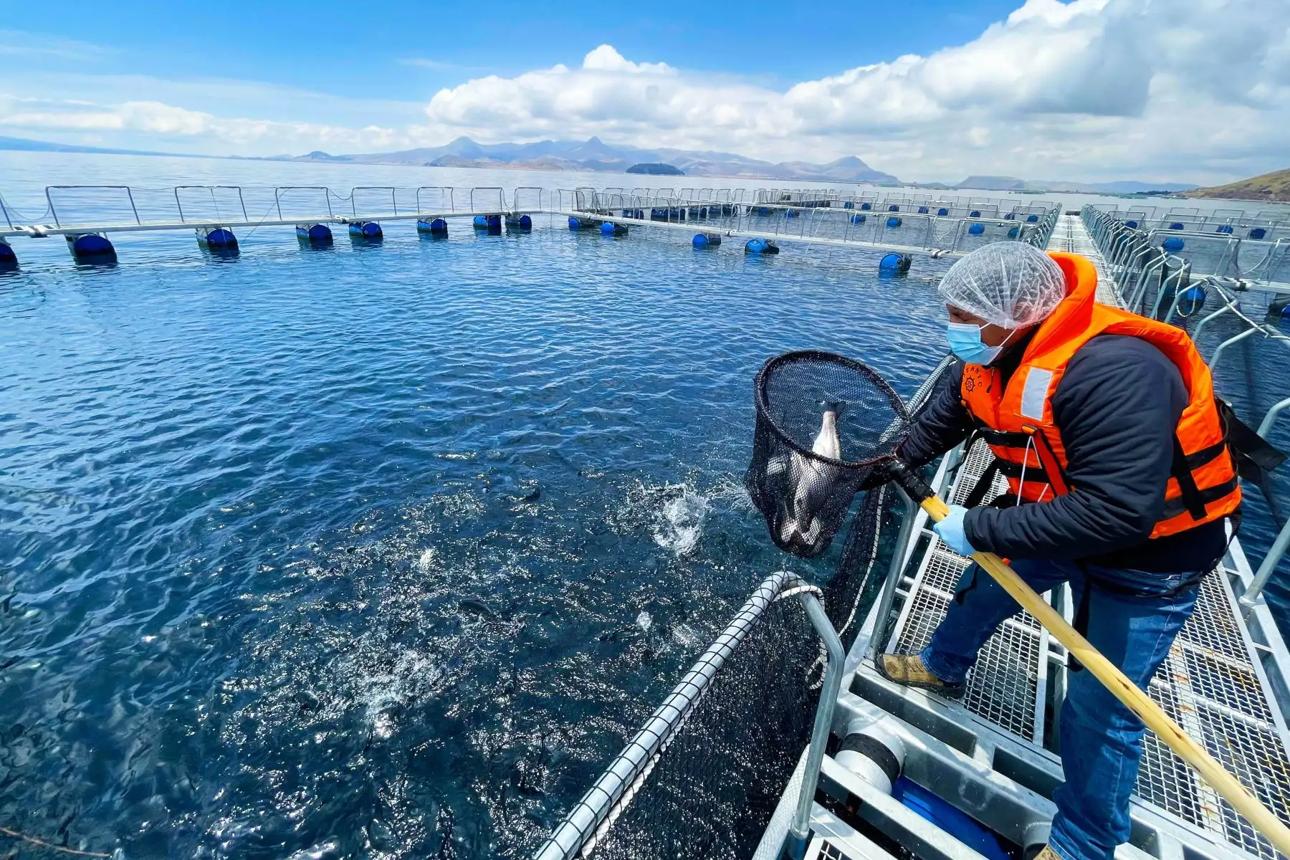
Marine fish farming: Raising suitable fish species in floating sea cages or other controlled systems.
-
Shellfish farming: Cultivating oysters, mussels and other shellfish.
-
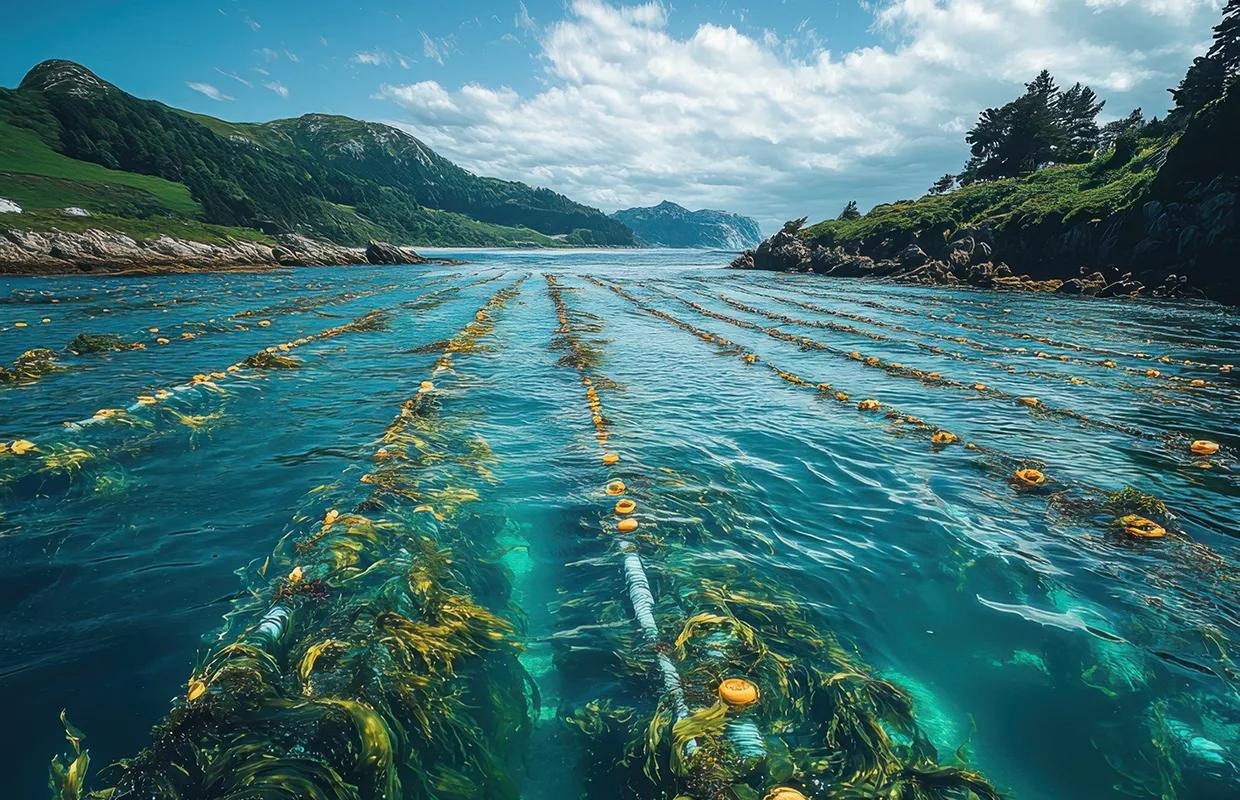
Seaweed farming: Growing marine algae for food, industrial applications and other uses.
-
Integrated marine aquaculture: Combining compatible species or farming methods to improve resource use and reduce waste.
Marine farming differs from wild-capture fishing because farmers manage the growth and harvesting of cultivated organisms rather than relying entirely on naturally occurring fish populations.
7 Ways to Make Marine Farming More Efficient and Sustainable
1. Choose Suitable Farm Locations
Farm location affects productivity, operating costs and environmental impact. Before establishing a site, operators should assess water quality, currents, depth, salinity, biodiversity and exposure to storms.
Environmental impact assessments and marine spatial planning can help prevent farms from damaging mangroves, seagrass beds, coral habitats and sensitive breeding grounds.
In Nigeria, site selection should also consider coastal erosion, flooding, existing fishing grounds and the needs of nearby communities.
2. Use Technology to Monitor Water Quality
Regular monitoring helps farmers identify problems before they affect production. Sensors can measure dissolved oxygen, temperature, pH and salinity, while digital systems can track feeding, fish growth and mortality.
Automated alerts may help operators respond quickly to changing conditions, reducing losses and unnecessary operating expenses.
Efficiency benefit: Better information supports timely decisions, healthier stock and more predictable harvests.
3. Improve Feed Quality and Reduce Waste
Uneaten feed and excessive nutrients can contribute to water pollution. Farmers can improve feed efficiency by selecting appropriate feeds, adjusting feeding schedules to fish behaviour and monitoring growth against feed consumption.
Feed conversion ratio (FCR) is a useful performance indicator. It measures how much feed is required to produce a unit of weight gain; generally, a lower FCR indicates more efficient feed use, provided animal health and other sustainability outcomes remain satisfactory.
Responsible feed sourcing can further reduce pressure on wild fish stocks and improve the environmental performance of aquaculture.
4. Prevent Disease Through Responsible Farm Management
High stocking densities, poor water quality and inadequate biosecurity can increase disease risks. Farms should use suitable stocking densities, quarantine new stock where appropriate, clean equipment and maintain regular animal-health checks.
Vaccination and veterinary-approved treatments may be appropriate for certain species and diseases. Antimicrobials should only be used responsibly under qualified guidance.
Prevention reduces avoidable mortality, protects farm income and helps limit environmental risks associated with disease outbreaks.
5. Adopt Low-Impact and Integrated Farming Systems
Where local environmental conditions and species permit, integrated multi-trophic aquaculture (IMTA) can combine organisms that use different resources. For example, fish may be farmed alongside seaweeds and suitable shellfish, which can use some dissolved nutrients or suspended organic material.
These systems require careful design, species compatibility and environmental monitoring. They are not automatically pollution-free, but they may improve resource efficiency when appropriately managed.
Farm operators should also assess opportunities to use renewable energy, efficient pumps and water-treatment systems where technically suitable.
6. Manage Waste and Protect Marine Habitats
Marine farms should have clear procedures for handling uneaten feed, organic waste, packaging, damaged nets and discarded equipment. Wastewater and solid waste must be managed to prevent contamination of surrounding waters.
Operators should regularly inspect cages and moorings, recover lost equipment and use durable, appropriately maintained materials to reduce the risk of marine litter.
Protecting mangroves and other coastal habitats is equally important because these ecosystems support biodiversity, protect shorelines and provide nursery grounds for many aquatic species.
For further reading, explore NIMEPA’s 10 Everyday Habits That Help Protect Nigeria’s Oceans and Waterways for practical ways to reduce pollution.
7. Strengthen Training, Traceability and Responsible Governance
Sustainable marine farming depends on skilled workers, reliable records and effective regulation. Farmers should maintain records of feed use, growth rates, mortality, treatments, harvest volumes and waste management.
Traceability helps buyers understand where seafood comes from and how it was produced. Training in environmental management, biosecurity and occupational safety can also improve farm performance.
Governments, research institutions, businesses and coastal communities should work together to encourage responsible investment, monitor environmental impacts and ensure that farming activities comply with applicable Nigerian requirements.
Why Sustainable Marine Farming Matters to Nigeria
Nigeria’s coastal communities depend on aquatic resources for food, income and employment. More efficient aquaculture can help diversify seafood production and create opportunities across farming, processing, transportation and distribution.
However, growth should not be measured by production volume alone. Water quality, biodiversity, animal welfare, resource efficiency and community benefits must also be considered.
The FAO’s State of World Fisheries and Aquaculture 2026 highlights the need to balance productivity with ecosystem health, better governance and inclusive development.
NIMEPA encourages responsible marine resource use, environmental awareness and collaboration among industry stakeholders. Supporting sustainable farming practices is one way to advance a healthier marine environment and a more resilient blue economy.
Conclusion
Marine farming can help meet growing demand for aquatic food, but its long-term success depends on how it is planned and managed. Appropriate site selection, smart monitoring, efficient feeding, disease prevention, integrated farming, waste control and responsible governance can improve productivity while limiting environmental harm.
For Nigeria, the goal should be clear: produce aquatic food more efficiently while protecting the marine ecosystems that sustain coastal communities and future generations.
Learn more about NIMEPA’s work through its education and awareness campaigns and collaboration and partnership initiatives.
